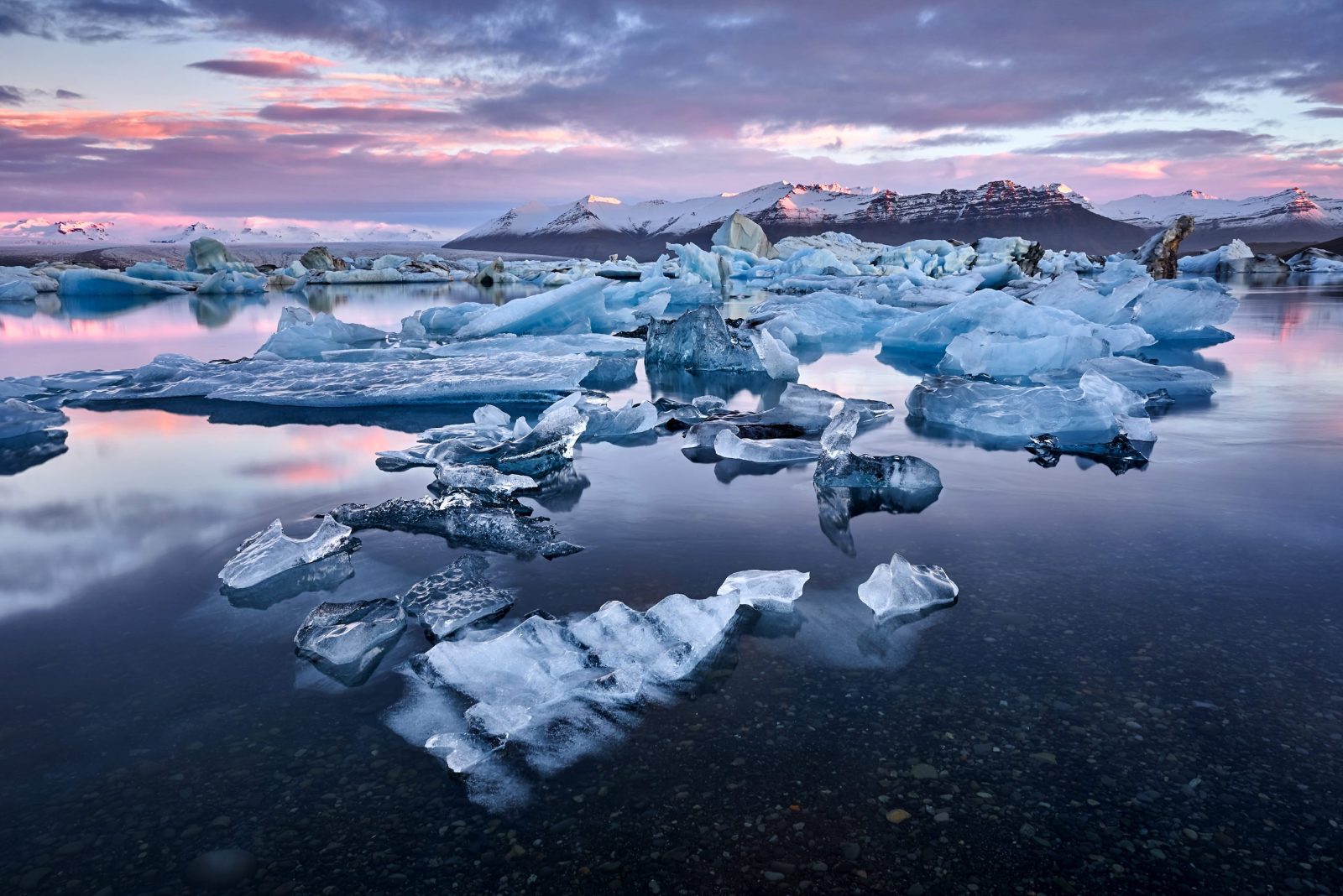
Jökulsárlón Glacier Lagoon
10 min drive
This lagoon features floating icebergs that have broken off from the glacier, providing a clear view of glacial ice without entering a cave.

Every August, travellers arrive in Skaftafell expecting the blue chambers they saw in photographs, and find a glacier in full melt instead. Vatnajökull's natural ice caves are a winter formation, and summer dismantles them from the inside. This page sets out the plain answer, the physics behind it, and what remains genuinely possible before the cold returns.
Quick answer
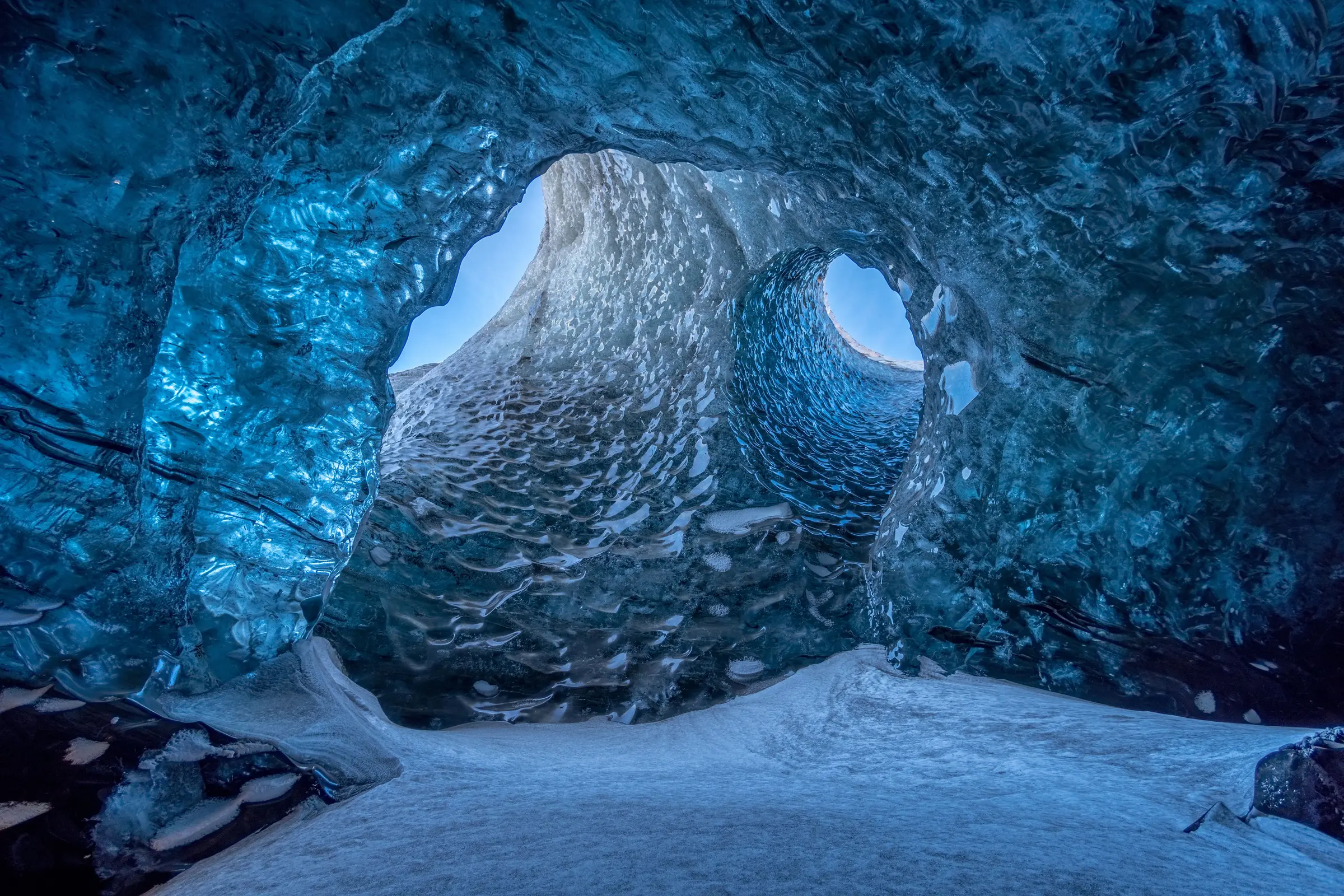
No — natural ice caves in Vatnajökull are closed and unsafe throughout the summer, with the park listing no open access days and a 0 ISK entrance fee because there is no natural cave season to enter. Rising meltwater floods the passages and thins the roofs. Guided access to natural caves resumes only once sustained sub-zero temperatures refreeze the glacier, typically from late autumn.
Vatnajökull is not a fixed landscape. Europe's largest ice cap by volume moves, drains and rebuilds itself every year, and the chambers that photographers call ice caves are simply the emptied beds of meltwater rivers that ran through the glacier the previous summer. That is the central fact behind the question of can you see ice caves in iceland in summer: the caves exist because the water left, and in July and August the water comes back. What a visitor is dealing with, then, is a scheduling problem written by temperature rather than by any ticket office. From roughly May onward, surface melt on the Breiðamerkurjökull and Skaftafellsjökull outlet glaciers sends water back down the moulins and into the same conduits that formed the caves. Roofs that held firm in February thin to a few centimetres. Ceiling collapse, sudden inflow and unstable ice are routine rather than exceptional, which is why Vatnajökull National Park rangers and every reputable operator treat natural cave entry as off-limits until the glacier refreezes. A vatnajokull ice cave tour advertised for August is either not a natural cave at all or not one worth trusting. The distinction matters more than the disappointment. Iceland has year-round ice tunnels and man-made structures cut into glacier ice elsewhere in the country, and these are engineered, monitored and stable — genuinely open in summer, but a different experience from a natural blue chamber. Summer visitors to the Vatnajökull region also still reach the glacier itself: crampon walks on the outlet tongues, the Jökulsárlón lagoon and the black sand of Diamond Beach all run at their best in the long daylight of August, when the ice is exposed rather than snow-covered. For anyone planning around this, the practical takeaway is to treat summer as reconnaissance and winter as the visit. Natural ice caves form and are assessed fresh each cold season, so no single cave persists year to year and no operator can promise a specific chamber in advance. Guides survey new formations once temperatures hold below freezing, then open routes that suit conditions on the day. Readers arriving at can you see ice caves in iceland in summer with a July itinerary in hand should plan the glacier walk now and book the cave for a return trip — the answer is a calendar, not a closed door. The official park site at vatnajokulsthjodgardur.is publishes conditions and safety notices as the season turns.
“The caves exist because the water left — and in July and August the water comes back.”
Natural ice caves in Vatnajökull are not accessible during the summer months due to safety risks caused by glacial melting. The primary season for visiting these formations is restricted to winter when colder temperatures stabilize the ice structures.
Cold, 0°C to -10°C
Stable conditions allow for safe cave exploration. High demand requires advance planning.
Cool, 0°C to 5°C
Access becomes limited as temperatures rise and melting begins. Cave stability decreases significantly.
Mild, 5°C to 12°C
Natural ice caves are closed and unsafe for entry. Glacial runoff makes tunnels unstable.
Verdict: The best window for ice cave tours is November to March, when stable, sub-zero temperatures ensure the safety of the glacial structures.
Natural ice caves in Vatnajökull National Park are inaccessible to the public during the summer months due to safety risks. Consequently, these sites do not operate on a standard visitor schedule.
Natural ice caves in Vatnajökull are closed during summer months due to safety hazards. Please refer to https://www.vatnajokulsthjodgardur.is for official updates on park conditions.
While natural ice caves are inaccessible during the summer, Vatnajökull National Park offers several alternative activities that allow you to experience the glacier environment safely. These nearby locations provide opportunities to view glacial formations and landscapes that remain open throughout the warmer months.
10 min drive
This lagoon features floating icebergs that have broken off from the glacier, providing a clear view of glacial ice without entering a cave.
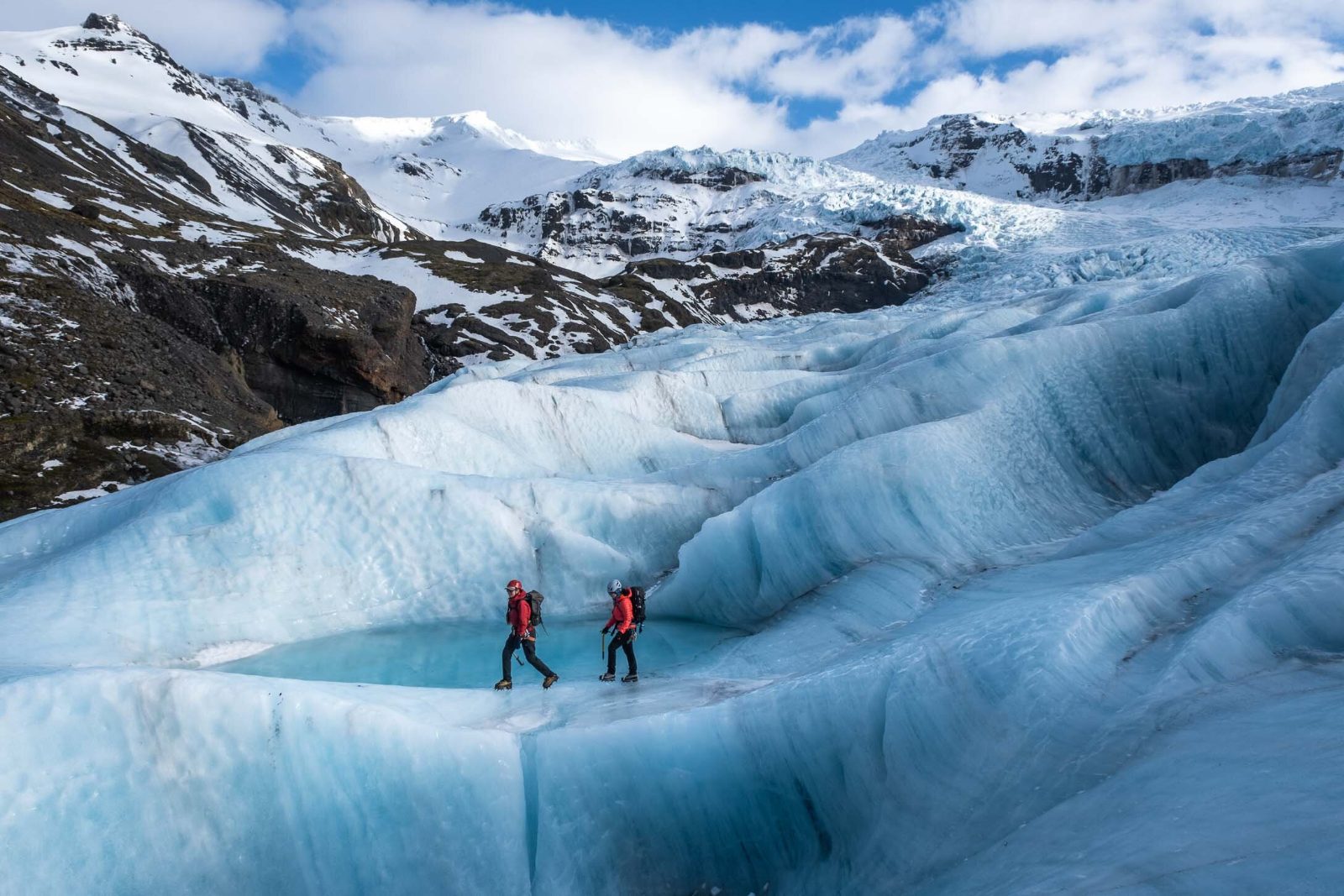
20 min drive
Accessible hiking trails lead to viewpoints of glacier tongues, allowing for a perspective on the size and movement of Vatnajökull.
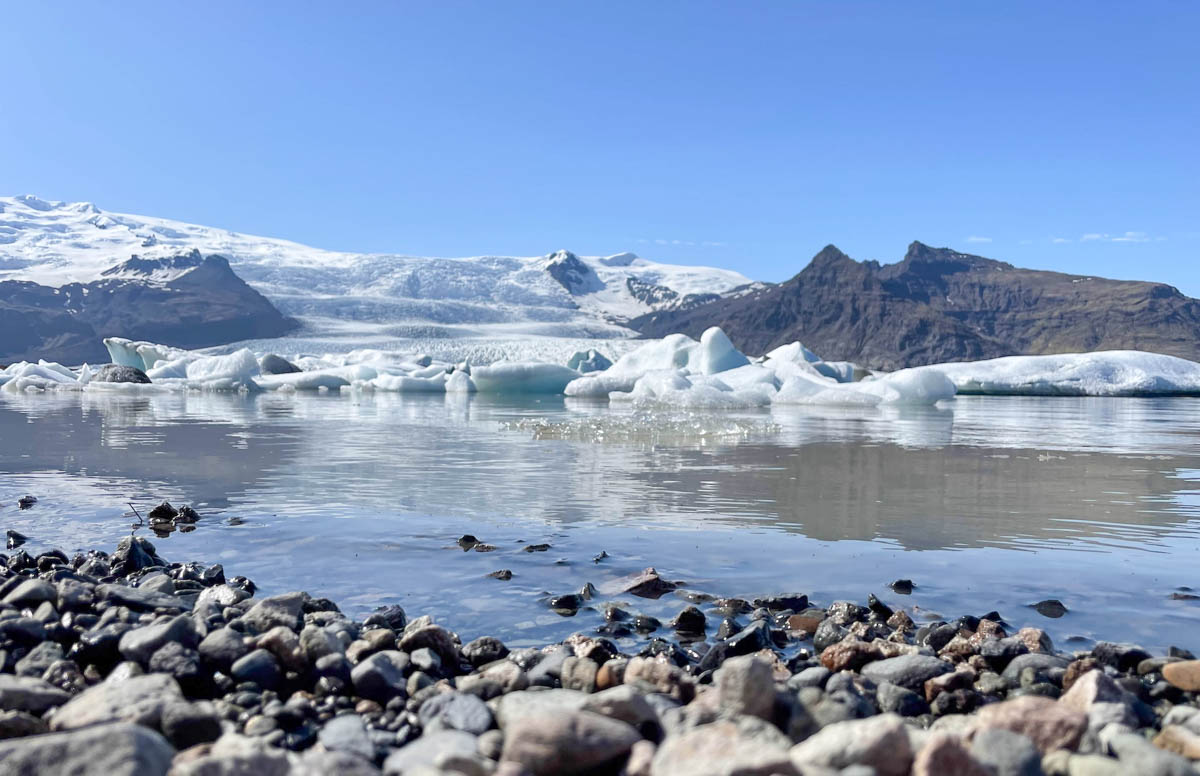
15 min drive
A smaller, less crowded lagoon located near the main glacier where you can observe glacial ice remnants along the shoreline.
Natural ice caves in Vatnajökull are not accessible in summer, so preparation shifts toward the glacier activities that do run in warm months.
Everything you need to know about can you see ice caves in iceland in summer
No, natural ice caves in Vatnajökull are closed and considered unsafe during the summer months. You should not attempt to access these formations, as they are prone to collapse and flooding during warmer periods.
During summer, rising temperatures lead to significant glacial melting and the formation of unstable meltwater channels. The increased risk of cave-ins makes it impossible to safely explore natural ice caves in Vatnajökull National Park.
While you cannot visit an ice cave in Iceland in summer, many operators offer guided glacier hikes that allow you to explore the surface of the glacier. These hikes provide an opportunity to see crevasses, ice formations, and moulins safely.
Most natural ice caves on active glaciers like Vatnajökull are closed, but some specialized, year-round artificial ice tunnels in other regions remain open. You should focus on glacier hiking or sightseeing tours when visiting Vatnajökull during the summer season.
Yes, glacier hiking is a popular activity during the summer and is completely distinct from visiting an ice cave in Iceland in summer. Professional guides lead groups onto the ice, ensuring you can safely view the glacier's unique features without entering unstable subglacial tunnels.
The best window to visit natural ice caves is during the colder winter months, typically between November and March. Outside of this season, ice caves in Iceland in summer are strictly inaccessible for safety reasons.
Vatnajökull Blue Ice Cave Tour
Read more Tickets & toursVatnajökull Crystal Ice Cave Tour
Read more Tickets & toursIce Cave Tours from Jökulsárlón
Read more GuideCan you visit ice caves in Iceland on your own?
Read more Tickets & toursVatnajökull Ice Cave Tours from Reykjavik
Read more Tickets & toursVatnajökull Ice Cave Tour with Glacier Hike
Read more